Services
TMJ/TMD Services
Temporomandibular joint disorders (TMD) can affect everyday activities—chewing, speaking, sleeping, and even your ability to focus. At Main Street Dental Care, we provide expert evaluation and treatment for TMJ-related concerns with accuracy, care, and long-lasting relief.
Understanding TMJ Disorders
At Main Street Dental Care, we understand the importance of comprehensive dental exams in maintaining long-term oral health. During your visit, our dedicated team takes the time to learn about your goals, address any concerns, and create a treatment plan personalized to your unique needs.
We also prioritize patient education, ensuring you fully understand your oral health and the best ways to care for your smile between appointments.
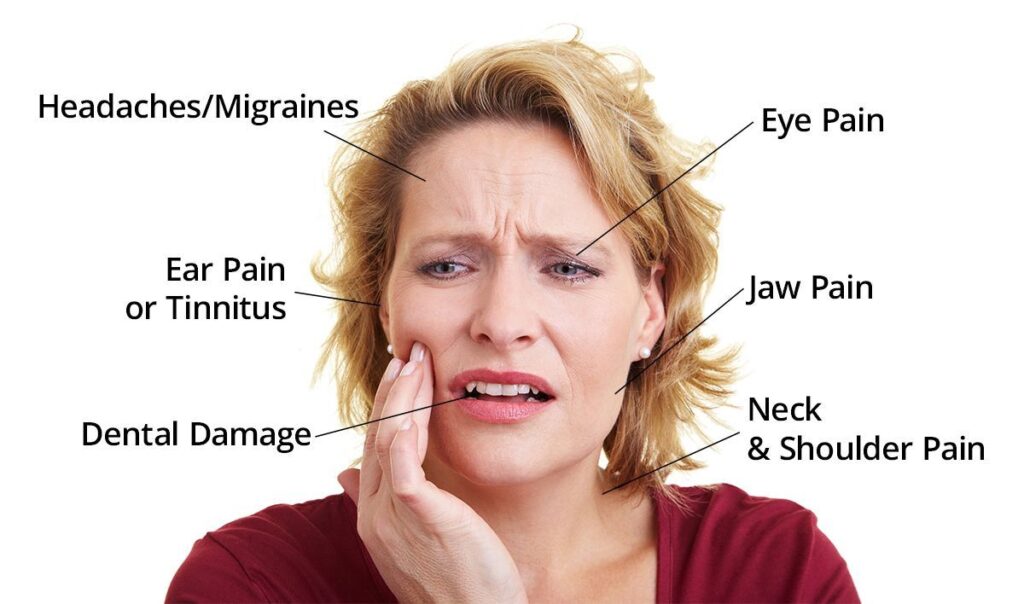
Common Signs and Symptoms of TMD
Every patient experiences TMD differently. Below is a comprehensive list of potential symptoms associated with TMJ dysfunction:
Jaw-Related Symptoms
- Pain or tenderness near one or both jaw joints
- Clicking, popping, or grating sounds while chewing or opening your mouth
- Limited ability to open or close your mouth (lockjaw)
- Jaw stiffness, muscle tightness, or spasms
- Jaw feels sore in the morning or after stress
- Changes in how your teeth come together
Oral & Dental Symptoms
- Pain while chewing or speaking
- Sensitive teeth with no dental cause
- Worn, cracked, or chipped teeth from clenching or grinding
- Difficulty opening wide
- Unexplained toothaches
Ear Symptoms
- Ringing, buzzing, or fullness in the ears
- Earaches or a feeling of pressure
- Sounds like popping or hissing in the ears
- Diminished hearing (in some cases)
Facial & Head Symptoms
- Chronic headaches or migraines
- Pain in the temples or behind the eyes
- Tingling or numbness in the chin or face
- Facial muscle fatigue or swelling
- Dizziness or vertigo
Neck, Throat & Shoulder Symptoms
- Stiff or sore neck and upper shoulders
- Difficulty swallowing or frequent throat clearing
- Feeling of a lump in the throat
- Radiating pain into the neck and upper back
Less Common Symptoms
- Tingling in the fingers
- Vision sensitivity or blurriness
- Fatigue from jaw overuse
- Condylar degeneration (joint wear and tear)
Why Choose Waterfront for TMJ/TMD Treatment?
Our TMJ specialists use advanced diagnostic tools and a holistic approach to customize each treatment plan. From bite analysis to muscle evaluation and joint imaging, we aim to identify the root cause and create a path toward lasting relief.
We offer:
- Bite splints and night guards
- Jaw and facial muscle therapy
- Stress-related grinding (bruxism) solutions
- Collaborative care for posture and airway assessment
- Personalized education on jaw exercises and lifestyle changes
Understand the Signs and Take Action
TMJ disorder can significantly impact your daily life. What might begin as mild discomfort near your temples or an annoying jaw pop while you yawn can escalate to persistent headaches, difficulty eating, and even permanent damage to your teeth. If you suspect that you may have TMJ disorder, it’s crucial to recognize the symptoms early. Here are eight signs you should pay attention to.
What Is TMJ Disorder?
TMJ stands for the temporomandibular joint, which allows the jaw to move smoothly so you can eat, speak, and yawn. When this joint doesn’t function properly, the condition is known as TMJ disorder or TMD. Although the TMJ is a tiny joint, dysfunction can cause immense pain. Acting as a sliding hinge, the joint connects the jawbone to the skull. Issues with this joint can make even simple tasks, like chewing or yawning, incredibly uncomfortable. Around 10 million Americans are believed to live with TMJ pain, highlighting how widespread this issue is.
Recognize the Symptoms Early
Some symptoms of TMJ disorders are unmistakable, while others can mimic unrelated health conditions, making diagnosis more challenging. Clicks and pops in the jaw often point directly to TMJ issues, but other symptoms aren’t always as obvious. By understanding the full range of symptoms, you’ll have a clearer picture of what might be going on.
- 1. Headaches Behind the Eyes If you frequently experience headaches that feel as though they’re rooted behind your eyes, TMJ issues could be the culprit. Unlike typical tension headaches, these are often linked to jaw tension or misalignment.
- 2. Unexplained Ear Pain Do you notice persistent earaches without an apparent cause, like an ear infection? The proximity of the TMJ to the ear canal can lead to pain that feels like it’s centered in your ears.
- 3. Clicking, Popping, or Locking Jaw Many people with TMJ disorder hear clicking or popping sounds when they open or close their mouths. Your jaw may also temporarily lock in place, stuck in either the open or closed position.
- 4. Jaw Aches or Discomfort Persistent jaw pain, especially during activities like chewing or speaking, is another common symptom. This pain often flares when the joint shifts out of alignment.
- 5. General Facial Pain Discomfort isn’t always contained to the jaw alone. Many people with TMJ disorder report an overall aching feeling throughout their face.
- 6. Neck and Shoulder Tension You may also feel tension or pain in your neck and shoulders as these muscles work harder to compensate for jaw misalignment or strain.
- 7. Changes in Your Bite Misalignment caused by TMJ dysfunction can alter how your teeth come together. This change in bite can be subtle or pronounced, depending on the severity of the disorder.
- 8. Unusual Tooth Wear Teeth grinding or clenching, common among people with TMJ disorder, can cause noticeable tooth wear or damage over time.
What Causes TMJ Disorder?
TMJ disorder doesn’t have a single cause. Instead, several factors can contribute to its development, including:
- Jaw or Facial Injuries: Accidents or trauma that impact the jaw area may lead to TMJ dysfunction.
- Arthritis: Joint inflammation can also impact the temporomandibular joint.
- Teeth Grinding or Jaw Clenching: Long-term bruxism can strain the TMJ and surrounding muscles.
- Orthodontic Issues: Changes during or after orthodontic treatments could aggravate the TMJ.
- Poor Posture: Prolonged bad posture, such as leaning forward while using a computer or phone, may eventually affect the alignment of your jaw.
- Stress: Chronic stress often manifests physically, leading to clenching or grinding that exacerbates TMJ problems.
Sometimes, however, the exact cause remains unknown. Even in cases where the source isn’t clear, effective treatments can still alleviate symptoms and improve your quality of life.
Treatment Options for TMJ Disorders
If you’re dealing with TMJ pain, there’s good news—treatment options range from simple lifestyle changes to more advanced medical solutions. By addressing the causes and relieving symptoms, you can regain comfort and functionality
At-Home Care
To manage TMJ discomfort at home, start with minor adjustments in your daily routine. Relaxation techniques, such as yoga or meditation, can help reduce stress levels, which often contribute to TMJ pain. Additionally, pay attention to your posture. Whether you’re sitting at your desk or scrolling through your phone, keeping your spine aligned can prevent added strain on your jaw.
Applying ice or heat to the area may also help soothe inflammation or relax tense jaw muscles, depending on the type of pain you’re experiencing. Avoid chewy or hard foods during flare-ups to minimize strain on the joint.
Night Guards or Splints
For many patients, dentists recommend using a night guard or splint. These devices stabilize your jaw during sleep, preventing excessive grinding or clenching. By reducing pressure on the joint, these custom-made tools can significantly ease TMJ-related discomfort.
Physical Therapy
Physical therapy provides another effective, non-invasive treatment option. A therapist might guide you through exercises designed to strengthen and rehabilitate your jaw muscles, reduce pain, and improve mobility.
Stress Management
Since stress can fuel TMJ symptoms, finding ways to manage anxiety could make a big difference. Incorporating regular self-care activities, like deep breathing exercises or spending time in nature, might help you find relief.
Medical Interventions
Specific medical interventions may be necessary for more severe cases. If arthritis is complicating your TMJ disorder, collaborating with a rheumatologist can help manage joint inflammation. Some patients may benefit from medications, such as muscle relaxers or anti-inflammatory drugs, prescribed under medical supervision.
For the rare few whose symptoms don’t improve with conservative measures, surgery might be an option. Joint replacement or other surgical procedures are typically reserved only for extreme cases when less invasive treatments have failed.
Why a Personalized Approach Matters
TMJ disorders can differ widely from person to person, which is why a one-size-fits-all approach rarely works. Receiving care from providers who focus on personalized treatment ensures you get solutions tailored to your specific needs.
At Main Street Dental Care, we specialize in creating customized treatment plans that target the root cause of your discomfort. When necessary, our team collaborates with other medical specialists to provide comprehensive, effective care. Our goal is to improve your quality of life and help you find long-lasting relief from TMJ pain.
Frequently Asked Questions About TMJ Disorders
How are TMJ disorders treated?
Treatment for TMJ disorders depends on the severity and underlying cause. Common approaches include using a mouthguard to prevent teeth grinding, physical therapy to improve jaw function, and over-the-counter pain relievers to manage discomfort. In more severe cases, your doctor may recommend corticosteroid injections, Botox, or even surgery. Always consult with a healthcare professional to determine the best treatment plan for your specific condition.
How long does treatment for TMJ disorders usually take?
The duration of treatment for TMJ disorders depends on the severity of the condition and the type of treatment recommended. Some patients may experience relief within weeks after starting therapy, while others with more complex issues may require a more extended approach. At Waterfront Family Dental, TMJ & Implant Center, we customize treatment plans to ensure the most effective and timely results for each patient.
Other Services
Contact us
- mainstreetdentalbb@gmail.com
- Brownsburg, IN Cosmetic and Family Dentist 618 E. Main St. Brownsburg, IN 46112
Schedule Your Visit Today
Taking care of your smile has never been easier. Our expert team is here to provide the care you deserve, at a time that works for you. Don’t wait—book your appointment now and take the first step toward better oral health.